Dry Needling Sydney CBD
Dry needling uses fine acupuncture-style needles inserted into trigger points to release tight bands of muscle, reduce pain and restore movement. At APC it is delivered by practitioners with advanced myofascial dry needling training, usually as part of a broader treatment.
How dry needling works
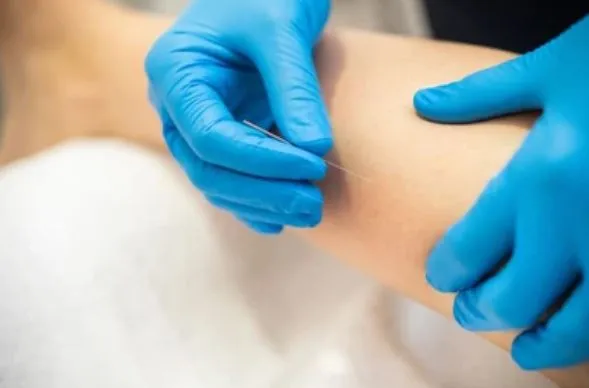
A trigger point is a tight, irritable band within a muscle that refers pain and limits how the muscle lengthens. Dry needling places a very fine, single-use needle directly into that band. The local twitch response that follows helps the muscle relax, improves blood flow and reduces the sensitivity that keeps the area sore.
At Active Performance Clinic, dry needling is not a stand-alone treatment. Your practitioner uses it where the assessment shows a trigger point is driving the problem, then follows with remedial massage, stretching or exercise therapy so the muscle learns to work properly again.
Who delivers it
Ben Duong and Piret Lohmus hold advanced myofascial dry needling qualifications, and Darren Hogan is also trained in the technique. All needles are sterile and single use.
What to expect afterwards
Expect some dull soreness in the treated muscles for up to 48 hours, similar to after a hard workout. Gentle movement and heat help. If you take blood thinners, are pregnant, or have a needle phobia, tell us when you book so we can plan your treatment appropriately.
Dry Needling: uses and benefits
What it is used for
- Musculoskeletal pain including lower back, neck and shoulder pain
- Muscle tightness and trigger points that limit movement
- Rehabilitation of strains, sprains and tendon problems
- Tension-type headaches and some nerve-related pain
Benefits
- Desensitises trigger points and reduces muscle spasm
- Improves range of motion when tight muscles are restricting a joint
- Stimulates local blood flow to support tissue healing
- Works well alongside remedial massage and exercise in the same session
Conditions this helps with
Dry Needling FAQs
Is dry needling the same as acupuncture?
No. Both use fine needles, but dry needling targets muscular trigger points identified by palpation, while acupuncture is based on traditional Chinese medicine meridians. Our practitioners use dry needling for musculoskeletal pain and movement restriction.
Does dry needling hurt?
You may feel a brief twitch or a deep ache when a trigger point releases. Most people describe it as odd rather than painful, and the sensation settles quickly. Mild soreness for a day afterwards is common.
Is there an extra charge for dry needling?
No. Dry needling is included in your appointment when your practitioner recommends it. Appointments start from $140 for a 45 minute follow-up.
Book dry needling in Sydney CBD
Book an initial appointment online in under a minute. New clients choose "Consultation and Initial Treatment".